Spotting the warning sign
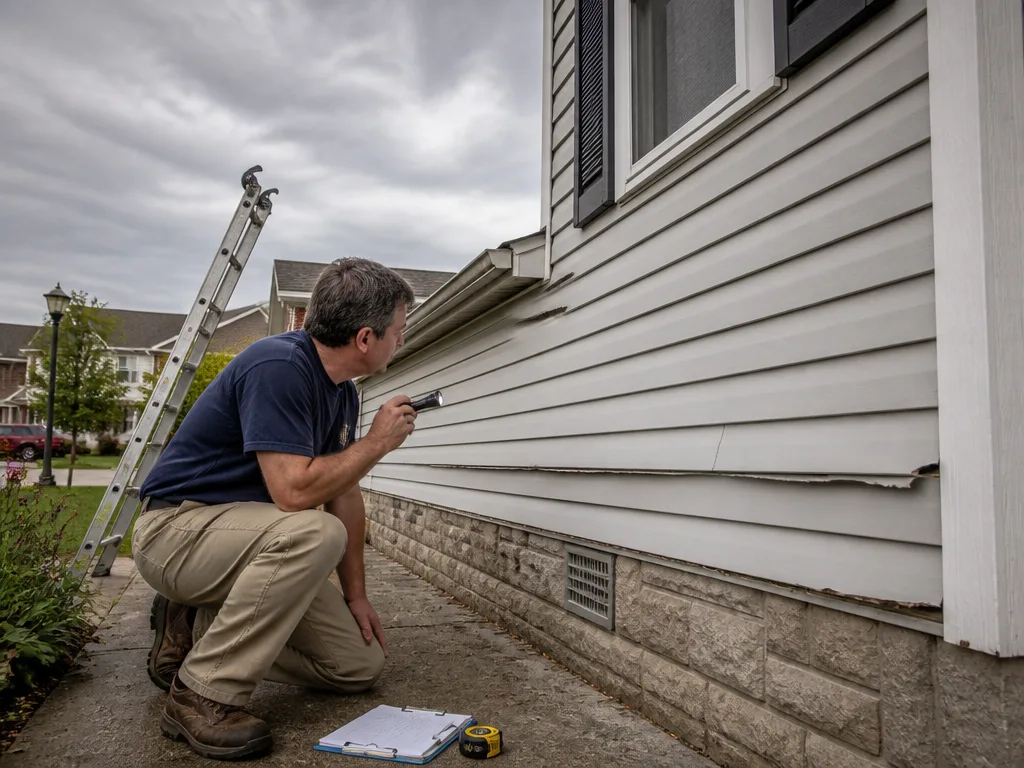
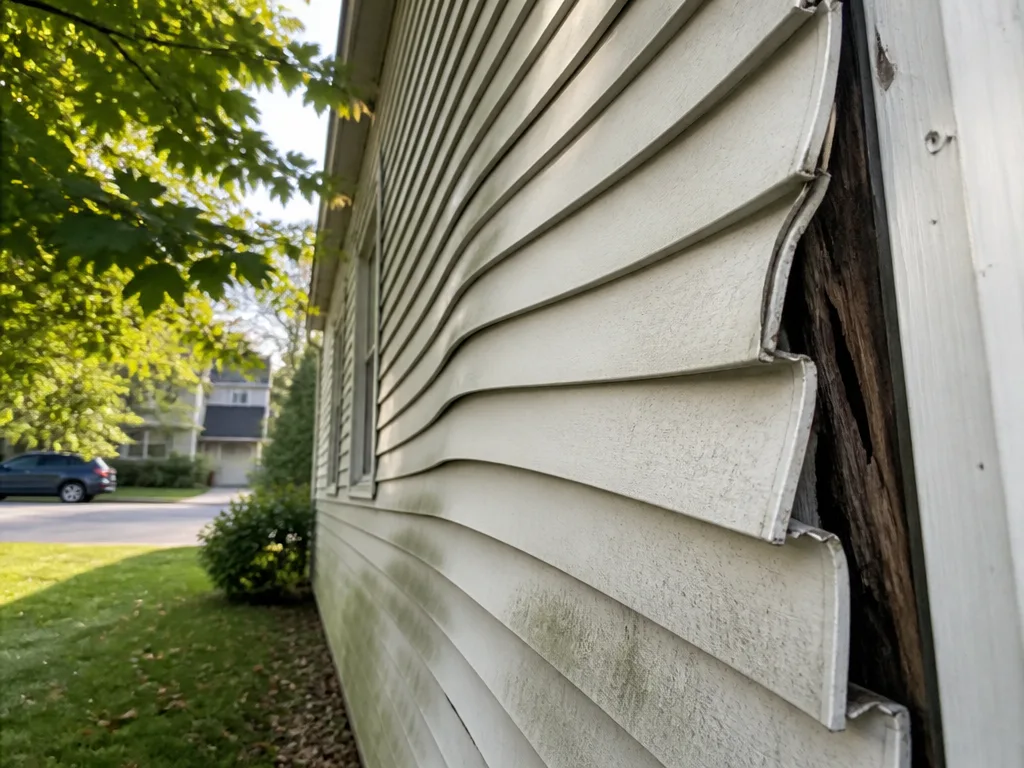
Across Kentucky, homeowners often notice warped or cupped siding after seasonal swings. If boards aren’t laying flat, if edges pull away from the wall, or if you see dark staining along seams, that’s a sign something is happening behind the outer layer. Our team of siding specialists has seen these indicators pop up after heavy rains or freeze-thaw cycles in Kentucky winters.
Look for gaps where panels meet, especially along eaves and near window trim. In Kentucky, humidity can creep under edges and soften the backer, causing swelling. If you can press on a board and it feels soft or shows a slight give, that’s a red flag worth a closer look by our crew.
What the signs likely mean
Moisture intrusion is common in homes with older or improperly installed siding. When rain penetrates the joints, you may end up with paint blistering, mold growth on unseen shear planes, or wood fibers that feel spongy under pressure. In Kentucky, seasonal rain and humidity can accelerate these issues. A sagging or warped panel often points to moisture behind the siding rather than a surface problem.
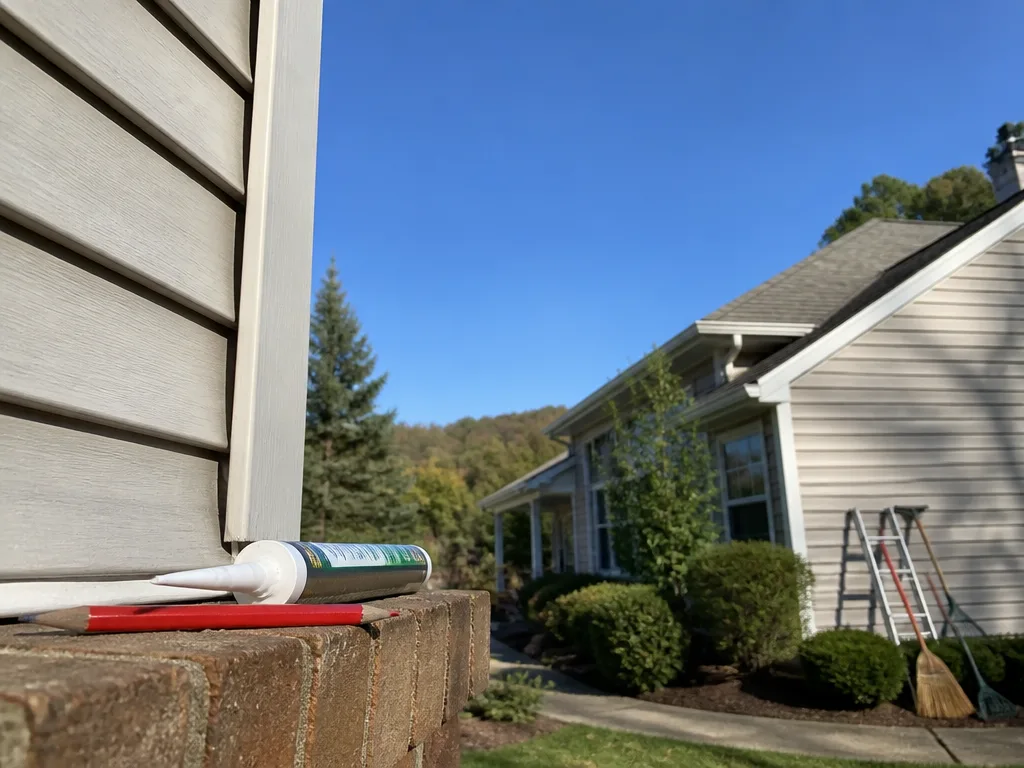
Another frequent culprit is failed sealant and peeling paint at the edges. If you notice frequent repainting in the same spots, it can indicate ongoing moisture behind the siding. A siding specialist can confirm whether flashing, caulking, or a panel replacement is needed.
What you should do next
Document the issue with photos and a brief timeline of when you first noticed changes. Then schedule a no-obligation consultation with Kentucky Siding Inspection. Our crew can assess moisture, insulation, and the overall condition of the siding across Kentucky. We’ll point out exact panels that require attention and describe options that fit your home and budget.
Until a specialist can inspect, keep gutters clean and direct runoff away from the foundation. Check nearby trees for overhanging limbs that shed when storms roll through. Small steps now can prevent bigger problems later in Kentucky’s climate.
Key takeaways
- Warped or cupped boards signal possible moisture behind siding.
- Look for gaps, soft boards, and staining along seams.
- Seasonal Kentucky weather can accelerate moisture problems; addressing early saves more work later.